
The Allure of Casino Environments
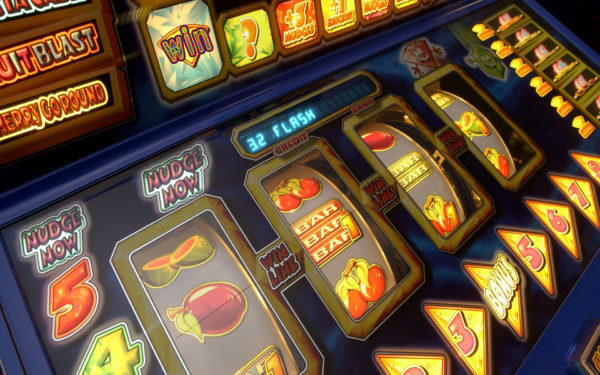
The design and atmosphere of casinos play a significant role in attracting and retaining players. Vibrant colors, engaging sounds, and enticing aromas create an immersive environment that stimulates the senses. This sensory overload is designed to enhance the experience, keeping players captivated for longer periods. Many casinos utilize the concept of ‘gambling as escapism,’ allowing players to forget their daily lives and immerse themselves in a world of excitement. Players who enjoy excitement often look for options like texas hold'em online free, which adds variety to their gaming experience.

Furthermore, the layout of casinos encourages exploration. With games strategically placed to entice players, and no clocks in sight to remind them of time passing, individuals often find themselves lost in the experience. This deliberate design aims to create a feeling of endless possibility, reinforcing the idea that players can achieve significant wins at any moment, further promoting continued engagement and investment.
The Role of Risk and Reward
The psychology of risk-taking is central to understanding player behavior in casinos. The thrill of gambling often stems from the potential for both loss and gain. Players are drawn to the uncertainty of outcomes, which triggers a psychological response associated with dopamine release. This pleasurable feeling can lead to repeated gambling as players chase the ‘high’ of winning, despite the inherent risks.
Additionally, the concept of intermittent reinforcement plays a crucial role in shaping player behavior. Regular wins, even if small, can reinforce the gambling habit, encouraging players to continue despite larger losses. This unpredictability keeps players engaged, as they fixate on the next win that could change their fortunes, creating a cycle of hopeful anticipation and repeated play.
Individual differences in personality and emotional state significantly influence how players approach gambling. Factors such as impulsivity, risk tolerance, and the need for excitement can vary greatly among individuals, impacting their behavior in casinos. Some players may seek out high-stakes games for the adrenaline rush, while others may prefer low-risk options to maintain a sense of control.
Moreover, psychological states such as stress or boredom can drive people to engage in gambling as a coping mechanism. For some, the casino becomes a refuge where they can distract themselves from life’s challenges. Understanding these psychological motivations is key for casinos, as they tailor their offerings to meet the varying needs and desires of their clientele.
The Impact of Social Influences
Social dynamics within casinos can heavily influence player behavior. The presence of others can create a sense of community and shared experience, often encouraging individuals to gamble more than they might alone. Peer pressure, whether positive or negative, plays a role in decision-making as players watch the reactions of others to wins or losses.
Additionally, the concept of social proof, where individuals look to the behavior of others to guide their own, is prevalent in casino settings. When players observe others celebrating wins, they may feel compelled to participate, increasing their risk-taking behavior. This social interaction can amplify the overall experience, making it more enjoyable yet potentially leading to higher levels of gambling.
Understanding Player Behavior on Online Platforms
The evolution of the casino experience has also migrated online, changing how player behavior is understood. Online casinos replicate many elements of physical locations but face unique challenges in engaging players. The psychological motivations remain similar, yet the convenience of online platforms can lead to increased impulsivity and risk-taking as players can gamble from the comfort of their homes.
Moreover, the online experience provides a level of anonymity that can affect player psychology. This detachment may lead individuals to gamble in larger amounts or to engage in riskier behavior than they would in person. Websites catering to this audience must consider these psychological factors, ensuring that they create a responsible gaming environment while meeting the needs of their users.