
The evolution of gambling A journey through history
The Ancient Roots of Gambling
The history of gambling dates back thousands of years, with evidence found in ancient civilizations such as Mesopotamia, China, and Egypt. Archaeological discoveries reveal that dice dating back to 3000 BCE were used in these cultures, indicating that the thrill of chance has been a part of human society for millennia. Early gambling activities often revolved around local games that incorporated elements of luck and skill, setting the foundation for modern gambling. Many players today seek out the excitement of unique games like the Ice Fishing gambling game, showcasing how these traditions have evolved.
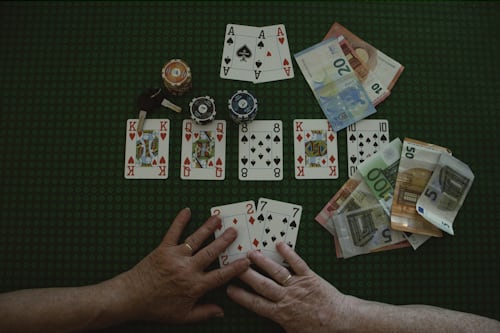
In ancient China, the development of gambling took a notable turn with the invention of keno and lottery-like games. These activities not only entertained but also served social and economic functions, allowing communities to raise funds for public projects. As these early forms of gambling spread, they reflected the cultural values and social dynamics of their time, illustrating how deeply intertwined gambling is with human behavior and psychology.
The Rise of Casinos in the Middle Ages
The Middle Ages saw the emergence of more structured gambling establishments, particularly in Europe. During this period, gambling became increasingly popular among the nobility and upper classes. Games like chess, which involved strategic thinking and chance, began to gain traction, leading to the establishment of dedicated gambling houses. These locations were often luxurious, catering to affluent patrons seeking entertainment and social interaction.
With the advent of the Renaissance, gambling evolved further, influenced by the era’s focus on exploration and innovation. The first official casino, the Casino di Venezia, opened its doors in Italy in 1638, marking a pivotal moment in the history of gambling. This establishment laid the groundwork for the modern casino, combining games of chance with an atmosphere of sophistication, thereby enhancing the psychological allure of gambling.
The Global Spread of Gambling in the 19th Century
As the 19th century unfolded, gambling began to spread across the globe, fueled by colonization and the expansion of trade routes. The introduction of games such as poker in America and baccarat in Europe reflected diverse cultural influences, each adapting the concept of gambling to local customs and preferences. This period saw the establishment of horse racing tracks and lotteries, which became significant both as sources of entertainment and as means for generating revenue for various public services.
The psychological aspects of gambling also became more pronounced during this time. Gamblers began to understand the balance between luck and strategy, which added a layer of complexity to the experience. The thrill of the game and the allure of winning influenced societal perceptions of gambling, leading to a broader acceptance despite underlying moral debates surrounding the practice.
The Digital Revolution and Modern Gambling
The late 20th and early 21st centuries ushered in the digital revolution, transforming gambling in unprecedented ways. Online casinos emerged, providing players the convenience of gambling from the comfort of their homes. This shift not only made gambling more accessible but also introduced innovative games and betting options, appealing to a wider audience than ever before. Live dealer games brought the excitement of a physical casino to the digital space, enhancing the interactive experience.
The psychological aspects of gambling have also been impacted by technology. Gamblers now have access to data analytics that help them make informed decisions, while the immersive nature of online gaming captures the attention of players in unique ways. However, this evolution has also raised concerns about addiction and responsible gambling, prompting the industry to implement measures aimed at ensuring player safety and well-being.

Your Journey Through Gambling History
As we reflect on the evolution of gambling, it is evident that this practice has continuously adapted to societal changes, reflecting human psychology and culture. From ancient dice games to modern online casinos, the journey through gambling history is a fascinating one, showcasing our enduring fascination with chance and risk.
For those interested in exploring the diverse world of gambling, numerous platforms offer insights and opportunities. Engaging with online resources can enhance your understanding of this dynamic field and provide a gateway to the exciting experiences that await in the realm of gambling. Join the journey and discover what this captivating history has to offer.